
A good spa visit works because everything around you is designed to slow you down: dim light, warm towels, no phone, and someone else keeping track of time. You can recreate a surprising amount of that at home, and the payoff is that you get to do it every week instead of a few times a year. The goal is not to copy a treatment menu. It is to build a short, repeatable ritual that signals to your body and mind that the workday is over.
In my years as an esthetician, the clients who reported feeling the best between appointments were rarely the ones with the most products. They were the ones with a consistent routine they actually enjoyed. This guide walks through how to set up your space, plan bath or shower rituals, give yourself a simple facial, practice basic self-massage, and stay safe along the way.
Start With the Space, Not the Products
Before you buy anything, look at the room you plan to use. Most people default to the bathroom, and that is usually right, but the bedroom can work for facial and massage steps if your bathroom is small or shared. What matters is that the space feels different from how it feels on an ordinary morning.
Clear and reset
Clutter keeps your brain in task mode. Take ten minutes to clear the counter, put away laundry, and wipe down surfaces. If you share the space, a small basket that holds only your spa items makes setup and cleanup fast, which means you are more likely to repeat the ritual.
Light, sound, and temperature
- Light: Switch off overhead fixtures. A lamp in the next room, a dimmer, or a couple of candles in stable holders creates the low, warm light spas rely on. Never leave a flame unattended, and keep candles away from towels and curtains.
- Sound: Choose one playlist or ambient track and reuse it. Over time, the familiar sound becomes a cue to relax.
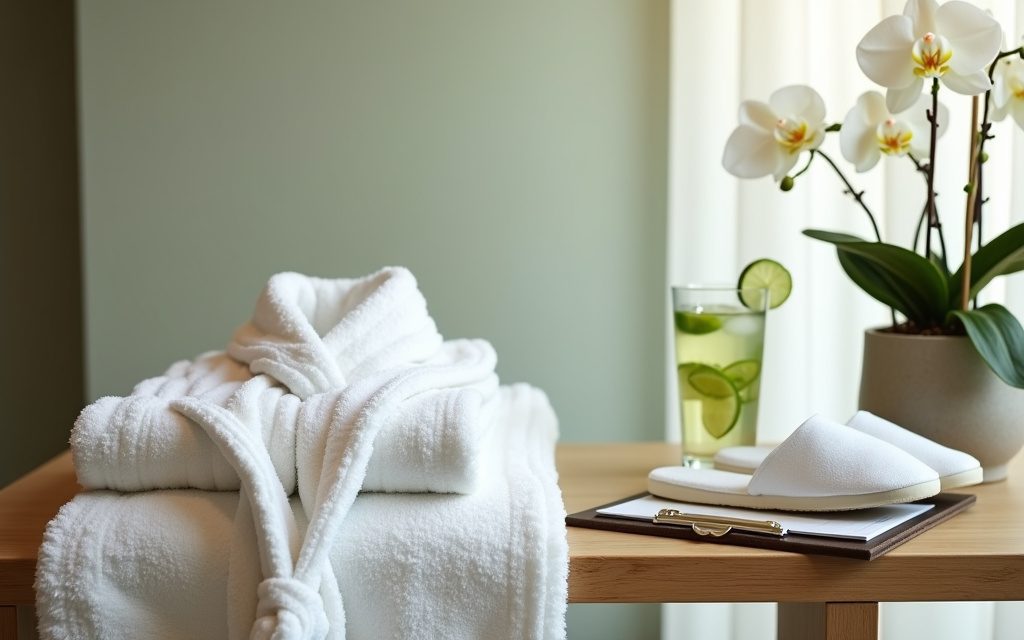
- Temperature: Warm the room a little before you start. Being chilly after a bath undoes the effect quickly. Put your robe and towel near a radiator or in the dryer for a few minutes.
Put the phone somewhere else
This is the single most effective change most people can make. Set a timer on a separate device or use a kitchen timer, and leave your phone in another room. Even thirty minutes without notifications feels restorative.
Bath and Shower Rituals
Water is the center of most spa experiences, and you do not need a soaking tub to benefit. Here is how to approach both options.
The restorative bath
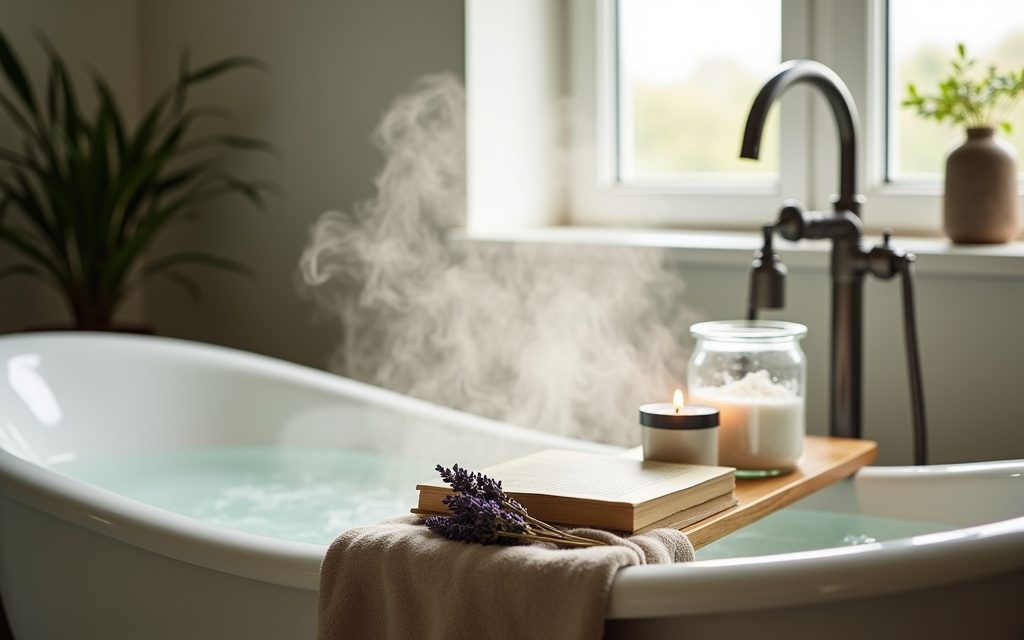
Aim for warm, not hot. A comfortable bath is generally somewhere around body temperature to slightly above; if your skin turns bright red or you feel lightheaded, it is too hot. Limit soaks to about 15 to 20 minutes, which is enough to relax muscles without leaving skin dried out. Adding Epsom salts or a handful of colloidal oatmeal is a popular, gentle option. Oatmeal in particular can be soothing for dry skin.
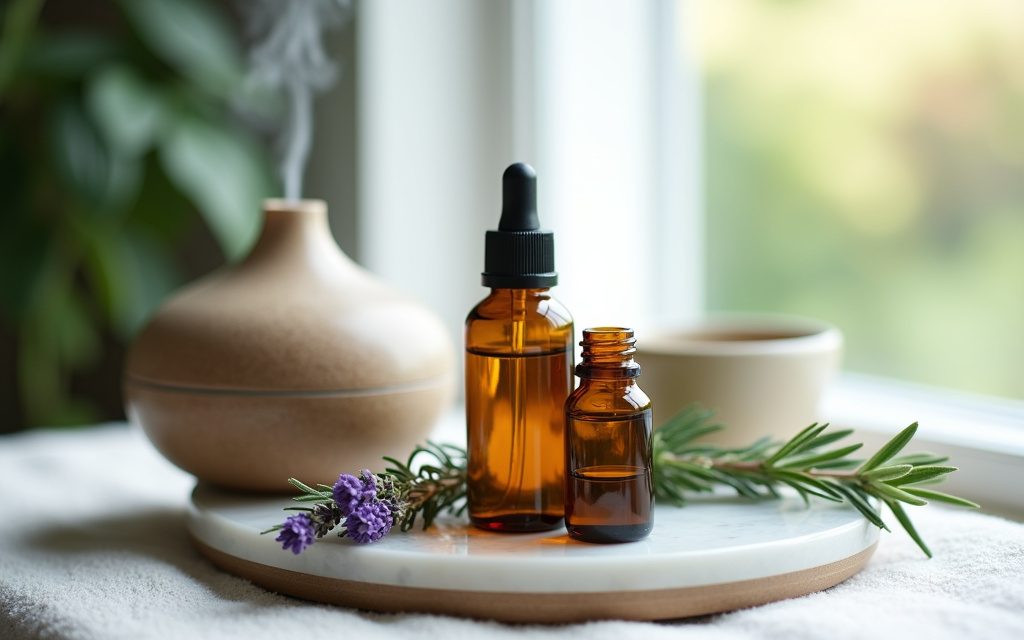
If you want scent, add a few drops of essential oil to a carrier such as a tablespoon of unscented oil or whole milk first, then swirl it into the water. Oil dropped straight into bathwater floats on top and can irritate skin. Our aromatherapy basics and safety guide covers which oils are better avoided in the bath.
The spa-style shower
No tub? Try a steam-and-scrub shower. Close the door and run the water warm for a few minutes to build steam. Hang a eucalyptus bundle away from the direct spray so the steam releases its scent. Use a gentle body scrub or a soft washcloth on dry areas like elbows, knees, and heels, then finish with 30 seconds of cooler water if you enjoy it. Some people find that brief cool finish energizing, but skip it if you have a heart condition or circulation issues without checking with your doctor first.
Seal in moisture
Pat skin almost dry and apply body lotion or oil within a few minutes of getting out, while skin is still slightly damp. This one habit does more for dry winter skin than almost any specialty product.
A Simple DIY Facial in Six Steps
A professional facial includes steps and tools you cannot replicate at home, but a thoughtful at-home version still leaves skin feeling clean and cared for. Keep it gentle; the most common mistake I see is overdoing exfoliation.
- Cleanse twice. Remove makeup and sunscreen with a cleansing balm or oil, then follow with your regular gentle cleanser.
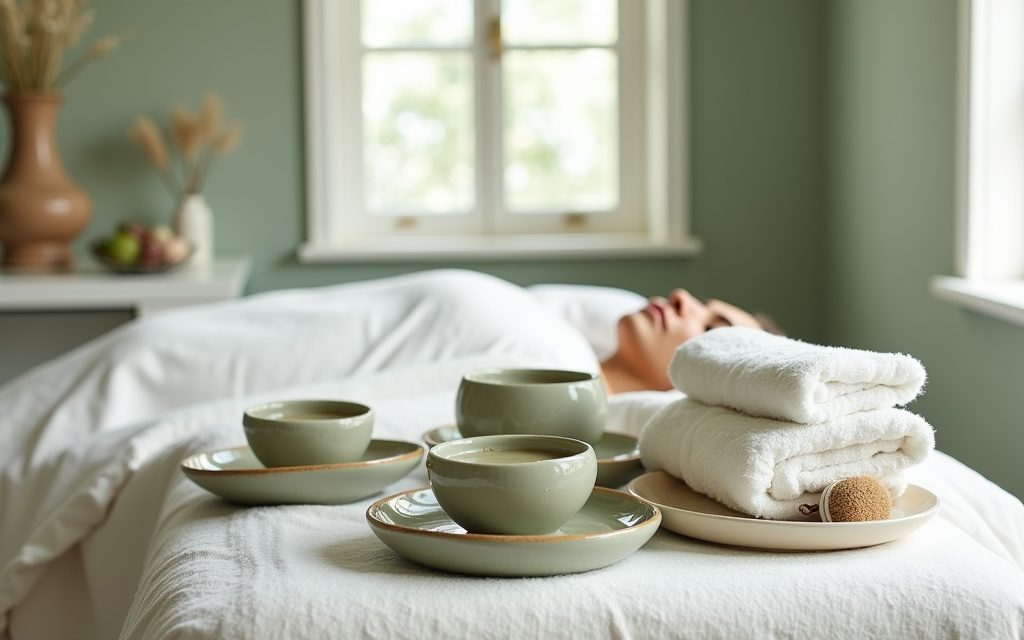
- Warm compress. Soak a clean washcloth in warm water, wring it out, and hold it over your face for 30 to 60 seconds. This softens skin without the risks of leaning over a pot of boiling water.
- Exfoliate lightly, if at all. Once a week is plenty for most people. Choose either a mild chemical exfoliant or a very fine scrub, not both. Skip this step if your skin is irritated, sunburned, or you use prescription retinoids.
- Mask. Clay masks suit oily areas; cream or gel masks suit dry or sensitive skin. Multi-masking, with different masks on different zones, is perfectly fine.
- Face massage. With a few drops of facial oil or your moisturizer, use light upward and outward strokes from the center of your face toward the ears, then gently down the sides of the neck.
- Moisturize. Finish with your usual moisturizer. If you do this in the morning, sunscreen is the final step.
If you want to understand which professional treatments are worth booking for your skin, see our guide to facials by skin type.
Self-Massage Basics
You cannot give yourself a full-body massage, but a few minutes on the areas that hold the most tension can make a real difference in how you feel. Use a small amount of lotion or oil, work slowly, and stay in the range of pressure that feels good rather than painful.
- Neck and shoulders: Reach across with the opposite hand and squeeze the top of the shoulder muscle, holding for a slow breath before releasing. Move gradually toward the neck.
- Hands: Press your thumb in small circles across the opposite palm, then gently pull each finger from base to tip. Great for anyone who types all day.
- Feet: Sitting down, roll the arch of each foot over a tennis ball for a minute or two. Keep pressure moderate.
- Scalp: Use your fingertips, not nails, to make small circles across your scalp, as if shampooing very slowly.
Avoid pressing directly on the front of the neck, on varicose veins, bruises, or any area that is swollen or injured. If you have persistent pain, a licensed massage therapist can help, and our overview of types of massage can help you choose a style.
Weekly and Monthly Rituals
A routine sticks when it has a rhythm. I suggest thinking in two tiers.
Weekly (30 to 45 minutes)
- Bath or steam shower
- Gentle exfoliation for face or body (not both on the same night if your skin is sensitive)
- Mask and moisturizer
- Five to ten minutes of self-massage
Monthly (60 to 90 minutes)
- At-home manicure or pedicure: soak, trim, push back cuticles gently, moisturize
- Deep-conditioning hair treatment
- A longer facial with an extra step, such as a sheet mask after your regular mask
- Reset your space: wash robes and towels, replace expired products, restock
The monthly session is also a good time to reflect on whether a professional visit would add something. At-home care and professional spa and wellness services complement each other; one does not replace the other.
Building a Kit on Any Budget
You do not need a large investment. Prioritize the items you will use every week and upgrade slowly.
| Level | Core items | Nice additions |
|---|---|---|
| Starter | Soft washcloths, gentle cleanser, basic moisturizer, Epsom salts | A candle or lamp, a favorite playlist |
| Mid-range | Cleansing balm, one clay and one hydrating mask, body oil | Plush robe, tennis ball or massage ball |
| Splurge | Quality facial oil, targeted serum, bath pillow | Diffuser, heated towel rack |
Skip lemon juice, baking soda, and undiluted vinegar on your face; they can disrupt the skin barrier.
Safety Checks Worth Taking Seriously
Safety first: If you are pregnant, have a heart condition, high or low blood pressure, diabetes, or a skin condition such as eczema or rosacea, talk with your doctor or dermatologist about hot baths, essential oils, and exfoliants before adding them to your routine. See our disclaimer for more on how to use the information on this site.
- Patch test new products. Apply a small amount to the inside of your forearm and wait 24 to 48 hours before using it on your face.
- Watch water temperature. Very hot water can cause dizziness and dehydrate skin. Get out slowly, and sit down if you feel lightheaded.
- Hydrate. Keep a glass of water nearby, especially after a long bath. Skip alcohol during a hot soak.
- Prevent slips. Oils make tubs and floors slippery. Use a bath mat and wipe up spills right away.
- Keep tools clean. Wash washcloths after every use and replace sponges and loofahs regularly.
Frequently Asked Questions
How often should I do an at-home spa routine?
Once a week is a sustainable rhythm for most people, with a longer session once a month. Daily mini-rituals, like a two-minute hand massage or a warm compress before bed, can fill the gaps.
How hot should a relaxing bath be?
Comfortably warm rather than hot. If your skin turns very red, you feel your heart racing, or you get lightheaded, the water is too hot. Keep soaks to about 15 to 20 minutes and consult your doctor if you are pregnant or have cardiovascular concerns.
Can I exfoliate my face every time I do a spa night?
Only if your spa night is weekly or less often. Over-exfoliating is one of the most common causes of redness and sensitivity. Skip it entirely if you use prescription retinoids or your skin feels irritated.
Is steaming my face over a bowl of hot water safe?
It can cause burns and may aggravate rosacea or broken capillaries. A warm washcloth compress is a gentler way to soften skin before cleansing or masking.
Does an at-home routine replace professional treatments?
Not entirely. At-home care maintains results and helps you relax, while professional treatments offer techniques, tools, and trained assessment you cannot replicate yourself. Most people benefit from a combination.