
Scent is one of the fastest ways to change how a room feels. Walk into a spa and the first thing you notice is often a soft note of lavender, eucalyptus, or citrus. Aromatherapy, the use of plant-derived essential oils for their aroma, is a big part of the spa and wellness experience, and it is easy to bring home. It is also easy to misuse, because essential oils are far more concentrated than most people realize.
As an esthetician, I have seen plenty of irritated skin from oils applied undiluted or used too often. This guide explains how aromatherapy is typically used, how to dilute oils for skin, which oils need extra care, and how to keep children and pets safe. The aim is to help you enjoy scent confidently without taking unnecessary risks.
What Aromatherapy Is, and What It Is Not
Essential oils are volatile aromatic compounds extracted from flowers, leaves, bark, peels, and resins, usually by steam distillation or cold pressing. A single small bottle can represent a large amount of plant material, which is why a drop or two goes a long way.
Research suggests certain scents, lavender in particular, may help some people feel calmer or more relaxed, though study quality varies and effects tend to be modest. What aromatherapy is not is a treatment for disease. Be skeptical of any product or seller that claims an oil can cure infections, anxiety disorders, or other medical conditions. If you are managing a health condition, speak with your doctor, and see our disclaimer on how to use wellness information.
Two Main Ways to Use Essential Oils
Inhalation
Inhalation is the simplest and generally lowest-risk approach for healthy adults. Common methods include:
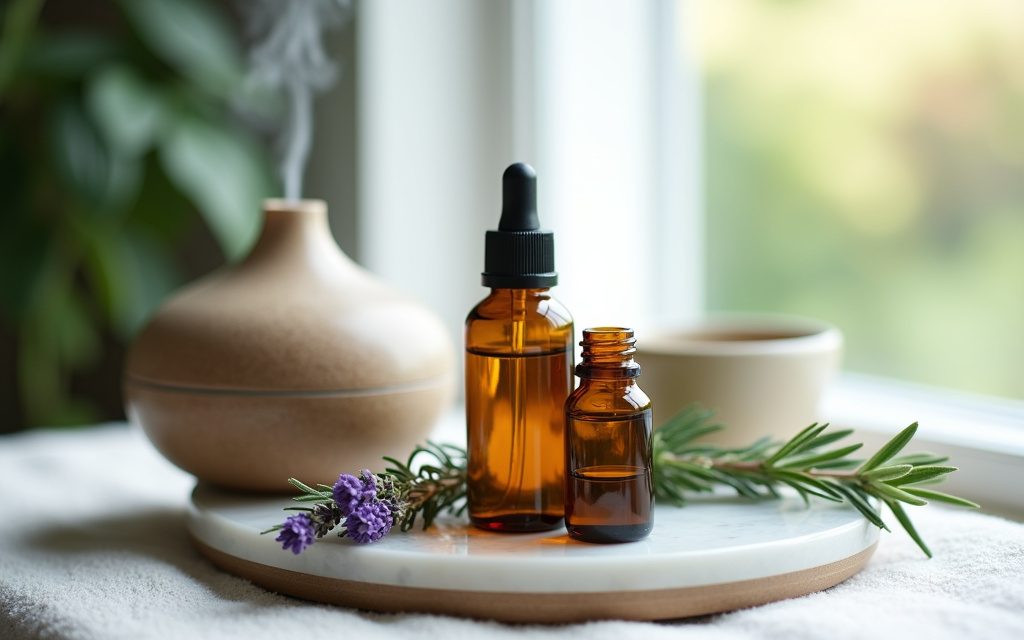
- Diffusers: Ultrasonic diffusers disperse a fine mist of water and oil into the air. A few drops is enough for most rooms.
- Personal inhalers or a tissue: Place one or two drops on a tissue or cotton pad and breathe in from a short distance.
- Shower steam: A few drops on the shower floor away from the direct spray release scent as the room fills with steam. Be careful, as oils can make surfaces slippery.
Topical application
Applying oils to skin, usually during massage or in a body oil, always requires dilution in a carrier. Undiluted, or "neat," application is a common cause of irritation and can lead to sensitization, where you develop an allergic reaction to an oil you previously tolerated. Once that happens, it often lasts.
Choosing a Carrier Oil
A carrier oil is a plant oil that dilutes essential oils and helps them spread over skin. Good options include:
- Jojoba: Technically a liquid wax, very stable and similar to skin's natural oils. A good all-rounder.
- Sweet almond: Silky and popular for massage. Avoid if you have a tree nut allergy.
- Fractionated coconut: Light, non-greasy, and stays liquid at room temperature.
- Grapeseed: Thin and light, well suited to oilier skin.
- Sunflower: Affordable and gentle, a good budget choice.
Water does not work as a carrier, because oil and water do not mix. In baths, blend essential oils into a spoonful of carrier oil or an unscented bath gel first.
Dilution Guidelines
Dilution is described as a percentage of essential oil in the total blend. Commonly cited guidance for everyday adult topical use is around 1 to 2 percent, with lower amounts for the face and sensitive skin. These are general reference points, not medical instructions, and some oils call for even lower concentrations. When in doubt, go lower.
| Dilution | Approx. drops per 1 fl oz (30 ml) carrier | Common use |
|---|---|---|
| 0.5% | About 3 drops | Face, sensitive skin, older adults |
| 1% | About 6 drops | Daily body oil, larger areas |
| 2% | About 12 drops | Occasional massage blends for healthy adults |
| 3% and above | 18 drops or more | Short-term, small areas only; best left to trained practitioners |
Drop sizes vary between bottles, so these numbers are approximate. For children, pregnancy, or anyone with a health condition, get guidance from a qualified professional before using oils topically at all.
Always Patch Test
Before using a new blend on a large area or your face, try a patch test:
- Mix the oil at the dilution you plan to use.
- Apply a small amount to the inside of your forearm.
- Cover with a bandage and leave it for 24 to 48 hours, keeping the area dry.
- If you notice redness, itching, burning, or swelling, wash with soap and water and do not use that blend.
Patch testing is especially important if you have eczema, rosacea, or a history of contact allergies. The same principle applies to any new product in your at-home spa routine.
Oils That Need Extra Care
Phototoxic citrus oils
Some cold-pressed citrus oils, notably bergamot, lime, lemon, and bitter orange, can cause phototoxic reactions. If applied to skin that is then exposed to sunlight or tanning beds, they may cause burns, blistering, or dark patches. Avoid applying them to skin that will see sun within the next 12 hours, or look for versions labeled as having the phototoxic compounds removed. Steam-distilled citrus oils are generally considered less of a concern, but reading labels carefully is worthwhile.
Oils known to irritate
Cinnamon bark, clove, oregano, thyme, and lemongrass are among the oils more likely to irritate skin. Many aromatherapists suggest keeping these very dilute or using them only by inhalation.
Never ingest
Do not swallow essential oils or add them to drinking water unless a qualified healthcare provider has specifically directed you to. Ingestion can cause serious harm, and accidental swallowing by children is a real poisoning risk.
Children, Pets, and Pregnancy
Household safety: Store essential oils out of reach of children, with caps tightly closed. If a child swallows an essential oil, contact Poison Control or emergency services right away. Oils such as eucalyptus and peppermint are often advised against for young children, even by inhalation near the face.
- Children: Their skin is thinner and more sensitive, and they are more vulnerable to adverse effects. Ask your pediatrician before using oils on or around young children.
- Pets: Cats are particularly sensitive to many essential oils, and birds are sensitive to airborne particles. Diffuse only in well-ventilated rooms your pets can leave, never apply oils to animals without a veterinarian's approval, and keep bottles out of reach.
- Pregnancy and breastfeeding: Guidance varies, and some oils are commonly advised against. Talk with your obstetrician or midwife before using essential oils during pregnancy or while breastfeeding.
- Health conditions: People with asthma, epilepsy, or those taking certain medications should consult a doctor, since strong scents can be a trigger for some.
Diffuser Etiquette and Storage
A diffuser should add a hint of scent, not fill the house. Run it for 30 to 60 minutes at a time rather than continuously, keep rooms ventilated, and be considerate of guests, coworkers, or family members who may be sensitive or have asthma. At a spa, it is perfectly fine to ask your therapist for an unscented treatment; our spa etiquette guide covers how to communicate preferences.
For storage, keep oils in dark glass bottles with tight caps, away from heat and sunlight. Oils oxidize over time, and oxidized oils are more likely to irritate skin. Citrus oils tend to degrade faster than others. If an oil smells off, looks cloudy, or has thickened, it is time to replace it.
Frequently Asked Questions
Can I put essential oils directly on my skin?
It is generally not recommended. Undiluted essential oils can irritate skin and lead to sensitization. Dilute in a carrier oil, commonly around 1 to 2 percent for adult body use, and patch test first.
Are essential oil diffusers safe around pets?
Some oils can be harmful to pets, especially cats and birds. Use diffusers only in well-ventilated rooms your pets can leave, keep sessions short, and check with your veterinarian about specific oils.
Which essential oil is best for relaxation?
Lavender is the most widely studied for relaxation, and many people also enjoy chamomile, cedarwood, or sweet orange. Personal preference matters, since a scent you dislike is unlikely to feel calming.
Is it safe to use essential oils during pregnancy?
Some oils are commonly advised against during pregnancy, and guidance varies. Speak with your obstetrician or midwife before using any essential oils while pregnant or breastfeeding.
How long do essential oils last?
It depends on the oil. Citrus oils may degrade within a year or two, while some woody and resinous oils last longer. Store them in dark, tightly closed bottles away from heat, and discard any that smell different or have changed texture.