
Spa menus can read like a foreign language. Swedish, deep tissue, neuromuscular, lomi lomi, shiatsu: the names don't always tell you what you'll actually feel on the table. As a licensed massage therapist, the most common question I get at the front desk isn't about price or time. It's "Which one should I book?"
The honest answer depends on your goals, your comfort with pressure, and your health. Below I explain the massage styles you're most likely to see in US spas and wellness centers, how each one feels, who tends to enjoy it, and when you should choose something else. A comparison table near the end makes it easy to scan.
How Massage Styles Differ
Almost every style of massage varies along a few dimensions. Understanding them makes any menu easier to decode.
- Pressure: From feather-light to firm and focused. More pressure is not automatically better; the right pressure is the one your body can relax into.
- Technique: Long gliding strokes, kneading, compression, stretching, or sustained holds on specific points.
- Focus: Full-body relaxation versus targeted work on a problem area like the neck or lower back.
- Tools and additions: Oil or lotion, heated stones, essential oils, or no lubricant at all with the client fully clothed.
Research suggests massage may help with short-term relief of muscle tension and perceived stress for many people, though results vary and it isn't a substitute for medical treatment of injuries or chronic conditions.
Swedish Massage
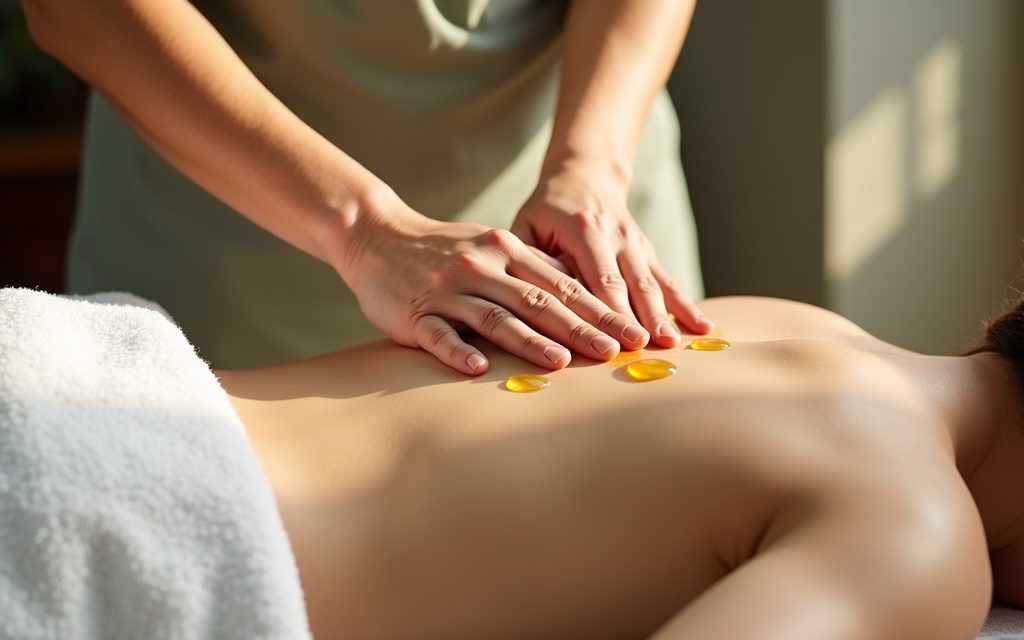
Swedish massage is the foundation most US therapists are trained in first, and it's the default "relaxation massage" on most menus. It uses long, flowing strokes called effleurage, kneading, gentle friction, and rhythmic tapping, usually with oil or lotion.
What it feels like
Light to medium pressure, a steady rhythm, and full-body coverage. Many people drift off. It's an excellent first massage, which is why we recommend it in our spa and wellness beginner's guide.
Best for
General relaxation, stress relief, and people who are new to massage or sensitive to pressure.
Deep Tissue Massage
Deep tissue massage uses slower strokes and sustained, firmer pressure to reach deeper layers of muscle and connective tissue. Therapists often work with forearms, elbows, and knuckles on specific areas rather than covering the whole body evenly.
What it feels like
Intense in places, sometimes described as a "good hurt." It should never be sharp or make you hold your breath. If you're bracing against the pressure, your muscles tighten and the work becomes less effective, so tell your therapist to ease off.
Consider carefully if
You take blood thinners, bruise easily, have osteoporosis, or have had recent surgery. Let your therapist know on your intake form; they may recommend a lighter approach. Mild soreness for a day or two afterward is common.
Hot Stone Massage
In hot stone massage, smooth, heated basalt stones are placed on key points of the body and also used as tools to glide along muscles. The heat helps many people relax faster, so the therapist can achieve a sense of release without heavy pressure.
What it feels like
Deeply warm and soothing. Stones should feel pleasantly hot, never burning. Speak up immediately if a stone feels too hot.
Consider carefully if
You're pregnant, have diabetes or reduced sensation, have high blood pressure or heart conditions, or have sensitive skin. Heat isn't right for everyone, and your doctor can advise you.
Sports and Prenatal Massage
Sports Massage
Sports massage is tailored to people who train regularly. Depending on timing, it may be brisk and stimulating before an event, or slower and focused on recovery afterward. Techniques often include stretching, compression, and targeted work on overused muscle groups.
Best for: Runners, cyclists, lifters, and anyone with a consistent training schedule who wants help with muscle tightness and mobility. It isn't a treatment for acute injuries; see a healthcare provider for those.
Prenatal Massage
Prenatal massage is adapted for pregnancy. Therapists use side-lying positioning with pillows or specially designed cushions, avoid certain pressure points, and keep pressure moderate. Many clients find it helps with the back, hip, and leg discomfort common in pregnancy.
Safety note: Always get clearance from your OB-GYN or midwife before booking, and choose a therapist with specific prenatal training. Many spas won't book prenatal massage during the first trimester, and those with high-risk pregnancies should follow their provider's guidance.
Other Styles You'll See on Spa Menus
Aromatherapy Massage
Usually a Swedish-style massage with diluted essential oils chosen for their scent. It's pleasant for many people, but oils can irritate sensitive skin or trigger headaches. Read our aromatherapy basics and safety guide before you book if you have allergies or asthma.
Thai Massage
Performed on a padded floor mat with you fully clothed in loose garments. The practitioner uses their hands, feet, and body weight to guide you through assisted stretches and rhythmic compression. It can feel energizing rather than sleepy.
Shiatsu
A Japanese technique that uses finger and palm pressure on specific points, often through clothing. Pressure can be firm, and sessions tend to feel grounding and structured.
Reflexology
Focused pressure on points of the feet, and sometimes hands and ears. Many people find it deeply relaxing. Claims that reflexology treats specific organs aren't well supported by evidence, so enjoy it for the relaxation it offers.
Lymphatic Drainage
A very light, rhythmic technique. It's sometimes offered in spas for general comfort; when used for medical conditions such as lymphedema, it should be performed by a specially trained clinician on a doctor's recommendation.
Couples Massage
Not a technique but a format: two people receive massages side by side in the same room. You can usually each choose a different style.
Massage Types at a Glance
| Type | Pressure | Best for | Consider if |
|---|---|---|---|
| Swedish | Light to medium | Relaxation, first-timers | You want targeted work on knots (may feel too gentle) |
| Deep tissue | Firm, focused | Chronic tightness, specific areas | You bruise easily, take blood thinners, or had recent surgery |
| Hot stone | Light to medium with heat | Relaxation, people who feel cold | You're pregnant, have diabetes, or have heart or blood pressure issues |
| Sports | Medium to firm | Active people, training recovery | You have an acute injury (see a provider first) |
| Prenatal | Light to medium | Pregnancy discomfort | You haven't had medical clearance or are in the first trimester |
| Thai | Medium to firm, stretching | Flexibility, energizing sessions | You have joint instability or recent injuries |
| Reflexology | Medium on feet | Relaxation, people who prefer staying clothed | You have foot injuries, gout flare-ups, or circulation problems |
How to Choose the Right Massage for You
Start with your goal. If you mainly want to unwind, book a Swedish or hot stone massage. If you have one stubborn area, ask for a Swedish massage with focused work on that spot rather than a full deep tissue session; many therapists blend techniques. If you're active, try sports massage. If you'd rather stay clothed, consider Thai massage, shiatsu, or reflexology.
Then think about your health. Anything on your intake form, such as pregnancy, medications, or recent injuries, may change which styles are appropriate. When in doubt, call the spa and describe what you're looking for. A good front desk or therapist will steer you honestly, and our tips on how to choose a day spa can help you judge whether they're doing that.
Finally, remember that the therapist matters as much as the name on the menu. A skilled therapist adjusts pressure and technique to you in real time. Your job is simply to tell them what feels right.
Frequently Asked Questions
What is the difference between Swedish and deep tissue massage?
Swedish massage uses lighter, flowing strokes for overall relaxation. Deep tissue massage uses slower, firmer pressure focused on deeper muscle layers and specific tight areas. Many therapists blend the two.
Which type of massage is best for a first-timer?
Swedish massage is usually the best choice for a first visit. Pressure is moderate, the pace is relaxing, and it helps you learn what pressure level you enjoy.
Should deep tissue massage hurt?
It may feel intense in places, but it shouldn't be sharp or make you tense up. Tell your therapist if you're holding your breath or bracing; lighter pressure is often more effective.
Is hot stone massage safe for everyone?
No. People who are pregnant, have diabetes, reduced sensation, heart conditions, or blood pressure concerns should check with a doctor first, as the heat may not be appropriate.
How often should I get a massage?
It depends on your goals and budget. Many people book every four to six weeks for general relaxation, while those managing training loads may go more often. There's no single correct schedule.